
01
Full four-wheel alignment service
02
Dealership and multi-brand repair
03
Shops adding documented alignment capability
ALIGNMENT MEASUREMENT SYSTEMS
Alignment measurement systems should match vehicle coverage, accuracy goals, bay layout and the way technicians move through the process.
An alignment measurement system determines wheel angles such as toe, camber and caster. Modern systems may use cameras, targets or wheel-mounted sensors to compare the vehicle with manufacturer specifications.
Targets or sensors are mounted at each wheel and the system calculates vehicle geometry. Software guides setup, compensation, measurement and adjustment while storing specifications and results.
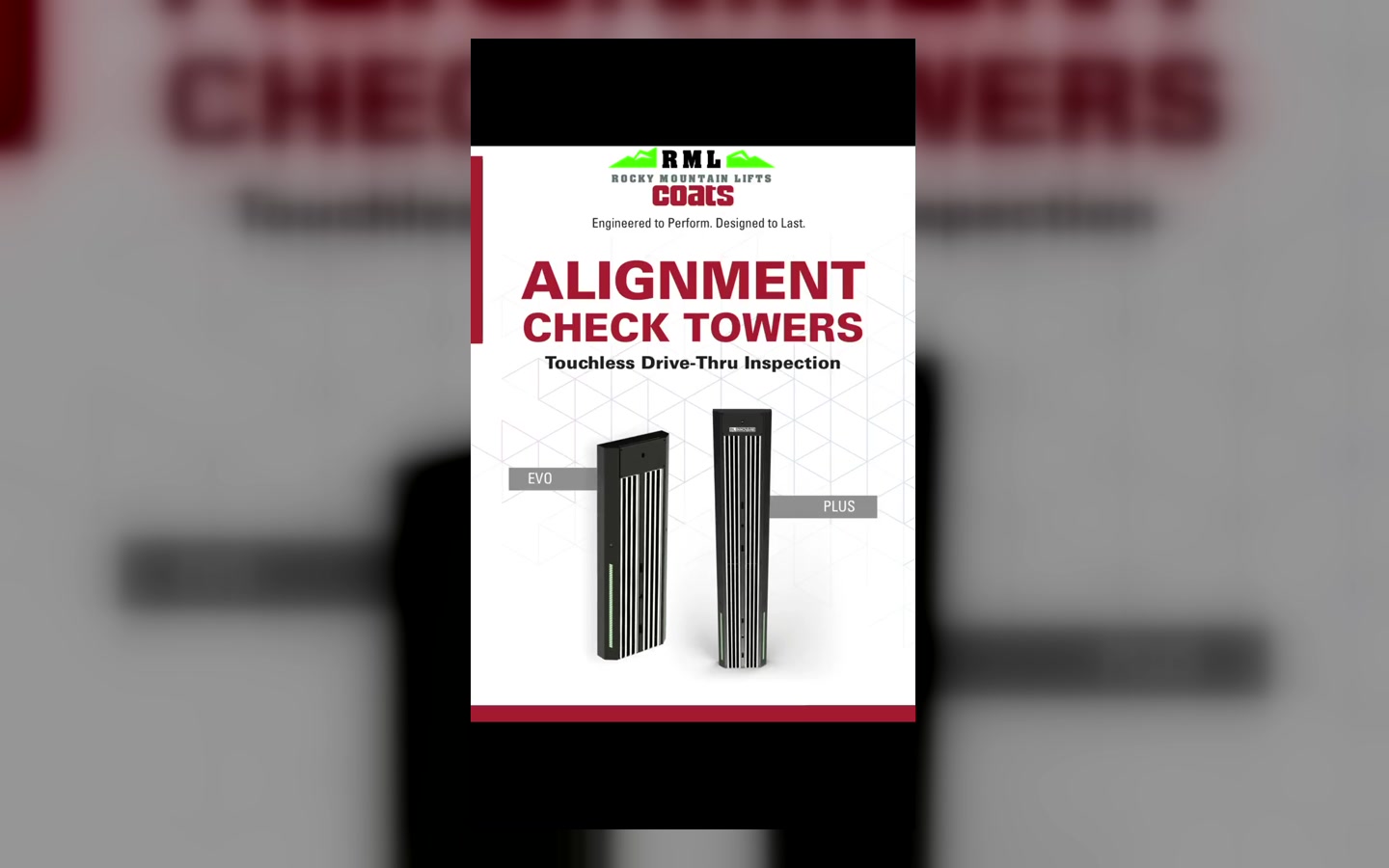
Full four-wheel alignment service
Dealership and multi-brand repair
Shops adding documented alignment capability
Measures geometry while the rack supports the vehicle
Camera and sensor technologies have different bay needs
Coverage, software and calibration affect long-term usability
CHOOSING THE RIGHT SYSTEM
RML can help compare equipment after these facility and workflow details are clear.
Which vehicle makes, models and wheel sizes need coverage?
Where can cameras, towers or consoles be positioned?
What calibration and update process is required?
How will results be documented and shared?
RELEVANT EQUIPMENT PARTNERS
Open the official manufacturer site for current product families, then let RML help compare fit, installation and support.
NEXT STEP