Discovery conversation
Understand the vehicles, work performed, throughput goals and equipment already being considered.
SHOP DESIGN & LAYOUT
Whether the facility is new, expanding or changing, RML helps think through bay use, equipment placement and service flow.
Schedule a design consultation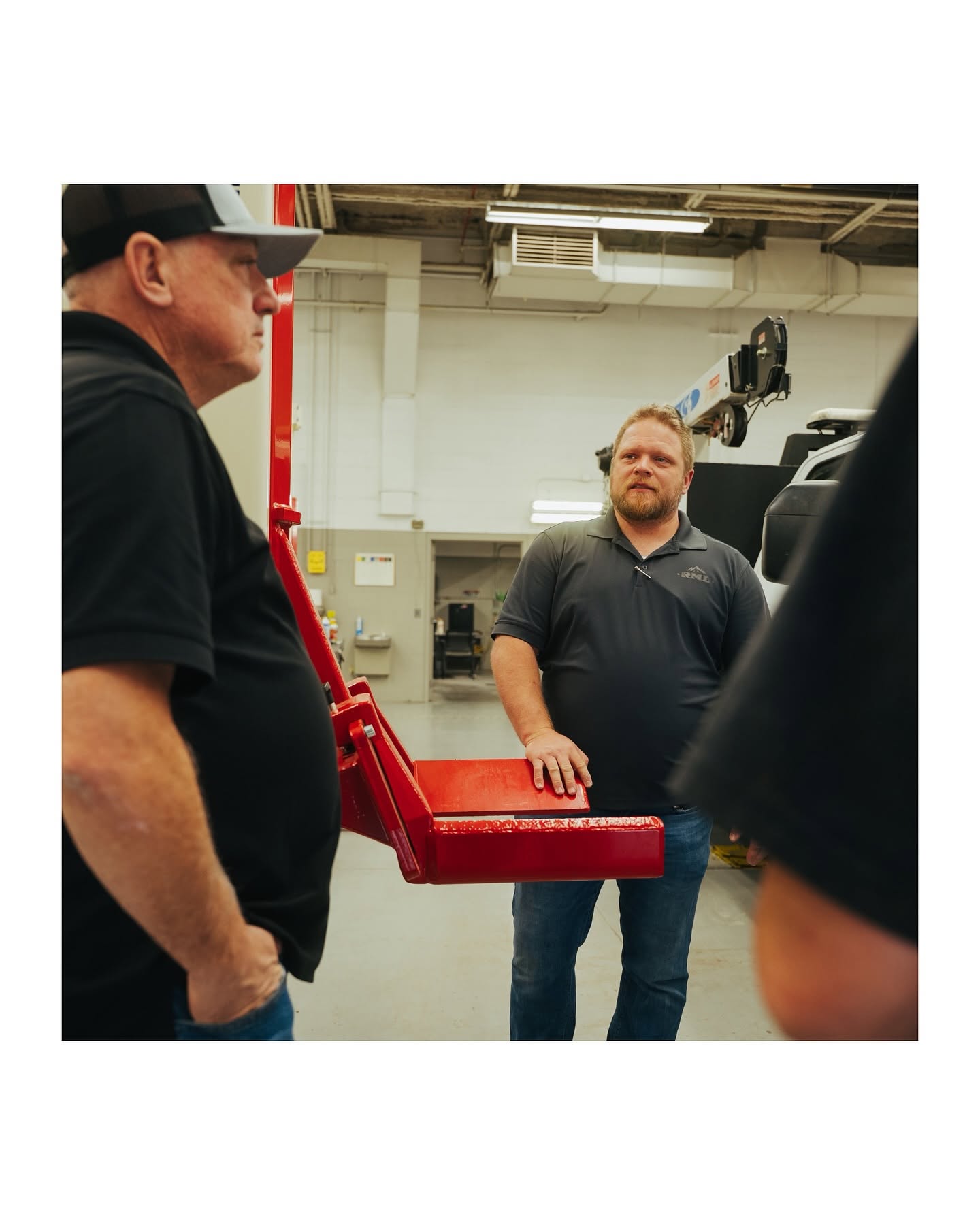
THE SERVICE
Equipment performs best when it is planned as part of the complete shop. RML helps connect vehicle mix, bay dimensions, technician movement, utilities and future growth before equipment is ordered.
COMMON APPLICATIONS
WHAT RML PROVIDES
Every project is confirmed around the equipment, location and approved work. These are the core parts of the service conversation.
Understand the vehicles, work performed, throughput goals and equipment already being considered.
Look at bay dimensions, access, clearances, vehicle movement and the way work moves through the facility.
Match lift, wheel service, compressed air, fluid, exhaust and specialty equipment to the application.
Turn the planning work into equipment selections, installation requirements and project-specific quotes.
HOW IT WORKS
The more complete the information at intake, the easier it is for RML to confirm scope, scheduling and the right next step.
Identify vehicles, services, staffing, daily volume and how the facility may change over time.
Provide plans, measurements, photos, utilities and any construction or equipment constraints.
RML evaluates equipment placement, working clearances, service flow and future flexibility.
Use the agreed direction to request equipment and installation pricing by project phase.
WHAT TO HAVE READY
Exact details reduce back-and-forth and help the service team prepare a more useful response.
PLAN THE WHOLE SHOP
A useful layout considers more than whether a machine fits in a bay. RML helps connect the equipment to the vehicles, people, utilities and daily work that will move around it.
Vehicle dimensions, turning movement, approach space, door locations and safe working clearances.
Technician movement, service sequence, shared equipment, traffic conflicts and expected daily volume.
Electrical, compressed air, fluid distribution, exhaust extraction and other connected shop requirements.
Future equipment, changing vehicle mix, expansion phases and practical room for the operation to evolve.
START EARLY WHEN POSSIBLE
Early coordination can expose clearance, access and utility conflicts while they are still easier to solve. Final construction, engineering, code and trade requirements remain subject to the appropriate project professionals and local authorities.
Plan my shop layoutNEXT STEP