
Pre-installation review
Confirm the exact model, bay dimensions, access, utilities and manufacturer requirements before scheduling.
PROFESSIONAL LIFT INSTALLATION
Our team considers equipment requirements, concrete, utilities, clearances and workflow before commissioning your lift.
Request installation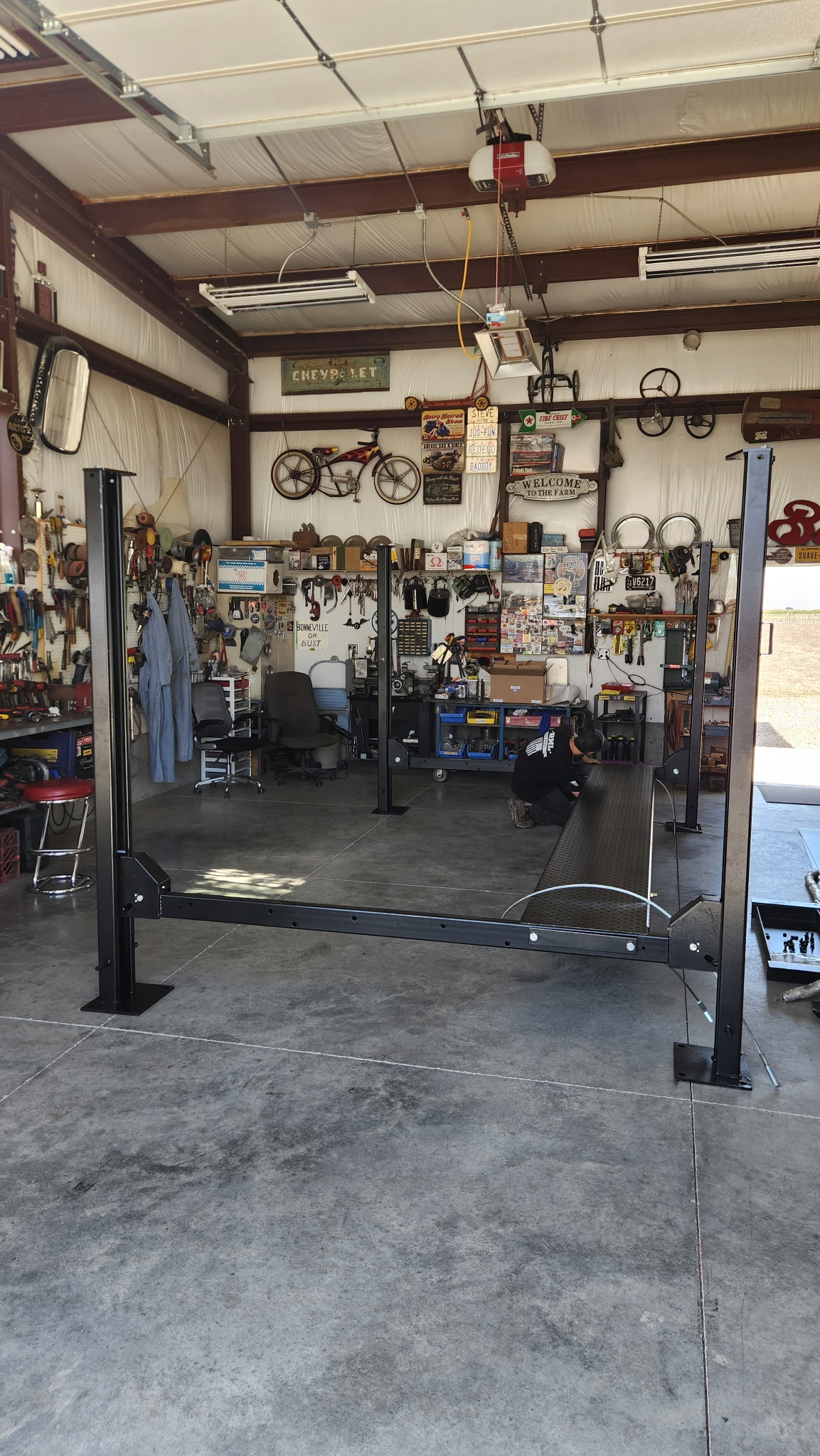
THE SERVICE
A successful installation starts before the equipment is unloaded. RML connects the lift manufacturer’s requirements with the actual bay, floor, utilities, access and work your team needs to perform.
COMMON APPLICATIONS
WHAT RML PROVIDES
Every project is confirmed around the equipment, location and approved work. These are the core parts of the service conversation.
Confirm the exact model, bay dimensions, access, utilities and manufacturer requirements before scheduling.
Plan how equipment reaches the work area and identify jobsite conditions that affect timing or labor.
Install and commission the equipment according to the approved manufacturer instructions and project scope.
Review basic operation, documentation and the next steps for training, inspection and ongoing care.
HOW IT WORKS
The more complete the information at intake, the easier it is for RML to confirm scope, scheduling and the right next step.
Tell us what you are installing, where it is going and what vehicles or equipment it must support.
RML reviews measurements, photos, access and available information about the floor and utilities.
Installation is quoted separately because travel, delivery, assembly and site conditions vary.
The team completes the approved scope and walks through the equipment with your contact.
WHAT TO HAVE READY
Exact details reduce back-and-forth and help the service team prepare a more useful response.
WHAT AFFECTS THE QUOTE
RML confirms the real project conditions before pricing installation. This avoids presenting a one-size-fits-all installation cost that may not match the work required.
Lift type, model, capacity, configuration, accessories and assembly requirements.
Available concrete information, bay dimensions, clearances and any required professional verification.
Electrical, compressed air and other connections required by the selected equipment.
Freight handling, unloading, travel, jobsite access, equipment movement and scheduling conditions.
NEXT STEP